
Leading Tools And Materials For Effective Wood Trim Restoration
Learn about top-rated products that make repairing and maintaining wood trim straightforward and efficient.
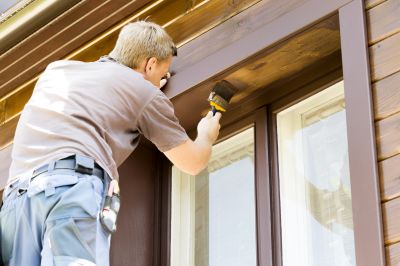 Wood trim repairs are a common necessity in maintaining the aesthetic and structural integrity of interior and exterior woodwork. Whether dealing with minor scratches, gouges, or more extensive damage such as rotting or warping, selecting the right products can make the repair process more manageable and produce more durable results. Proper assessment of the damage is essential before choosing appropriate repair materials, as different issues require different solutions. For minor surface imperfections, simple fillers and touch-up products may suffice, while more severe damage might require replacement or specialized repair compounds.
Top Overall Option
Multi-Purpose Wood Filler
A versatile wood filler designed for various repair needs, suitable for filling holes, gouges, and cracks in wood trim. It offers good adhesion, easy sanding, and can be painted or stained to match existing finishes. Its user-friendly formula makes it a popular choice for both DIY enthusiasts and professionals seeking reliable results.
Types of Products For Wood Trim Repairs
Wood Filler
Used for filling small to large holes, cracks, and gouges in wood surfaces, providing a smooth surface for finishing.
Epoxy Putty
A two-part compound ideal for repairing structural damage, rot, or deep gouges, offering strong adhesion and durability.
Wood Patches
Pre-made patches for covering larger damaged areas, often used in conjunction with adhesives or fillers.
Sandpaper and Abrasives
Essential for smoothing repaired areas and preparing surfaces for finishing.
Wood Stain and Dye
Used to match the color of the repaired area to the surrounding wood for a seamless appearance.
Wood Sealants and Primers
Help protect the repaired surface from moisture and prepare it for paint or finish coats.
Paint and Finishes
Final coats to match or enhance the existing wood trim's appearance.
Caulk and Sealants
For sealing gaps and joints to prevent moisture ingress and improve structural integrity.
Wood Glue
Ideal for reattaching loose trim or small wood pieces securely.
Rot Repair Products
Specialized treatments to halt and repair wood rot caused by moisture exposure.
Nail and Screw Sets
For reattaching loose or damaged trim pieces securely.
Paint Removers and Strippers
Tools to remove old paint or finishes prior to repair work.
Wood Hardener
Strengthens decayed or soft wood, preparing it for filling and finishing.
Detailing Tools
Small brushes, putty knives, and other tools for precise application and finishing.
Popular Choices
Widely used for a variety of wood repair projects, offering ease of use and good adhesion.
Popular for fixing structural damage or deep gouges in wood trim with strong bonding properties.
Convenient for covering larger damaged areas, often used in combination with adhesives.
Flexible abrasive for smoothing repaired surfaces and blending edges.
Commonly used to blend repairs seamlessly with existing wood finishes.
Popular for protecting repaired areas from moisture and wear.
Easily applied for final finishing, matching a variety of wood tones.
Favored for sealing joints and gaps in trim with a flexible finish.
A go-to for reattaching loose or broken trim pieces.
Trusted for stopping and repairing wood rot in damaged trim.
Commonly used for securing trim and hiding nail heads.
Popular for preparing surfaces prior to repairs or refinishing.
Frequently used for restoring decayed wood before filling.
Useful for precise application of stains, paints, or finishes.
The process of repairing wood trim often involves cleaning the area thoroughly to remove dirt, dust, and loose material. Then, depending on the severity of the damage, one might use fillers, putties, or epoxy compounds to restore the surface. Sanding smooths out the repaired area, ensuring a seamless blend with the surrounding wood. Finishing products such as stains, paints, or sealants are then applied to match the existing finish and protect the repaired surface from future damage. Using high-quality repair products can help achieve a more professional appearance and extend the lifespan of the repair.
Choosing the right product also involves considering the type of wood, the location of the trim (interior or exterior), and the environmental conditions it will face. For example, exterior wood trims require products with weather-resistant properties, while interior trims may need products that are easy to work with and provide a smooth finish. Proper preparation and application are key to successful repairs, and understanding the options available can help homeowners and professionals alike make informed decisions. Investing in the right repair products can save time and effort while ensuring the longevity of wood trim features in any space.
Key Buying Considerations
- Type of damage to be repaired, such as scratches, gouges, or rot
- Location of the wood trim, interior or exterior, influencing product choice
- Compatibility of repair products with the existing finish or stain
- Ease of application and working time, especially for DIY projects
- Durability and resistance to environmental factors like moisture and temperature
- Ability to sand or shape the repair for a seamless finish
- Color matching capabilities for stains and finishes
- Adhesion strength and bonding properties of fillers and epoxies
- Compatibility with existing paints, stains, or sealants
- Safety considerations, including VOC content and fumes
- Availability of matching repair components or colorants
- Cost-effectiveness and overall value for the extent of damage
- Tools required for application and finishing
- Drying or curing times to plan project timelines
- Environmental conditions during application, such as humidity and temperature